Some links here are affiliate links. If you buy through them we may earn a small commission at no extra cost to you. As an Amazon Associate we earn from qualifying purchases.
Best budget cameras for beginners in the UK: what to buy and what to skip
 By the Skint Kit crew · How we pick
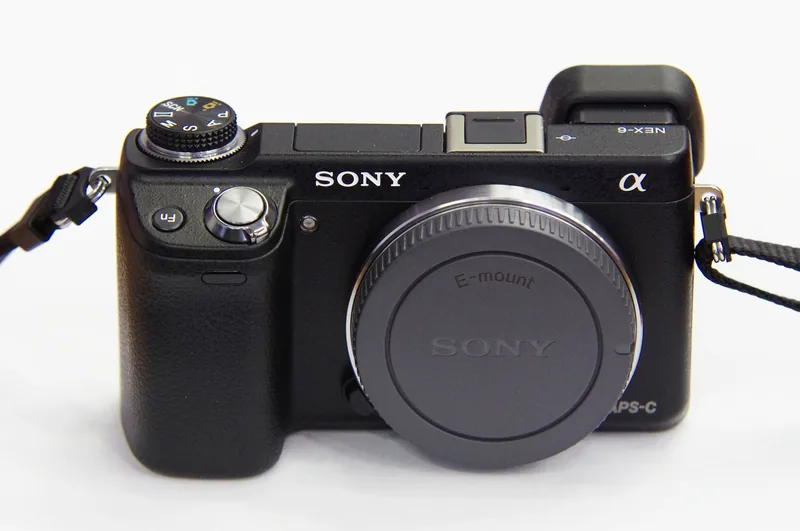
Your phone takes good photos. So why buy a camera at all? Three reasons: a bigger sensor, lenses you can swap, and proper control over focus and light. That's what gets you the blurry backgrounds, sharp action shots and clean low-light pictures a phone has to fake with software. The good news is you don't need to spend much to get all three.
This guide covers what actually matters when you're starting out on a budget in the UK, and what you can safely ignore.
DSLR or mirrorless?
Both take interchangeable lenses and both will take far better photos than you need as a beginner. The difference is how you see the picture before you take it.
- DSLR: a mirror shows you the scene through an optical viewfinder. They're chunkier, but the batteries last a long time. Because most brands have moved on to mirrorless, there's a big second-hand market, which keeps used prices low.
- Mirrorless: the preview is electronic, so the body is smaller and lighter and what you see is closer to the final photo. Batteries drain faster. Which? notes that most new high-end cameras are now mirrorless, so this is where new lenses and updates are heading.
Our honest take: if your budget is tight, a used DSLR with a kit lens is the cheapest way into proper photography. If you want something light for travel and video, or you want to keep upgrading for years, a budget mirrorless makes more sense.
Sensor size matters more than megapixels
Megapixels sell cameras, but sensor size decides how clean your photos look, especially indoors and at night. Most beginner DSLRs and budget mirrorless cameras use an APS-C sensor, which is far bigger than a phone sensor. Full frame is bigger again but costs a lot more, and you don't need it to learn. Around 20 to 24 megapixels is plenty for prints, Instagram and YouTube thumbnails.
The lens is where the magic is
The kit lens that comes in the box (usually something like 18-55mm) is a decent all-rounder. Learn on it first. When you're ready for your first upgrade, don't buy a new body. Buy a cheap prime lens:
- 50mm f/1.8: often called the "nifty fifty". Great for portraits, food and low light, and usually one of the cheapest lenses a brand makes.
- 35mm f/1.8: a bit wider, so better for everyday shots, street photography and small rooms.
The low f-number lets in much more light than a kit lens, which means faster shutter speeds indoors and that soft, blurry background people want. Spec for spec, it's the best-value upgrade in photography.
Shooting video too?
If you mainly want to vlog, look for a flip-out screen so you can see yourself, a microphone socket for an external mic, and good autofocus that tracks faces. Which? also warns that a "4K" sticker doesn't guarantee good footage, so check sample clips from real users before you buy. A dedicated budget vlogging camera can be a better fit than a stills camera here.
Buying used: what to check
Second-hand is where budget cameras really shine, and it's better for the planet too. Before you hand over any money:
- Ask for the shutter count. It's like the mileage on a car. Which? suggests under 50,000 is a good sign, and treats a seller who won't give one as a red flag.
- Check the seller. Use reputable shops or sellers with solid feedback, especially on marketplaces.
- Check what's included. Battery, charger and a memory card should be in the box. Third-party batteries are fine, but budget for a spare.
- Check the lens mount. Make sure the lenses you want fit the body you're buying. Canon EF and EF-S lenses, for example, fit Canon DSLRs; Nikon F-mount fits Nikon DSLRs.
- Look at the glass. Ask for photos of the front and back of the lens. Scratches, fungus (thin, web-like lines) or haze are reasons to walk away.
What to skip
- Bundle "extras" like cheap filters, flimsy tripods and no-name flashes. You'll replace them.
- Bridge cameras if you want to learn proper photography. They're great all-in-ones, but you can't change the lens, so you'll outgrow them.
- Chasing the newest model. A camera from a few years ago, plus a good prime lens, will beat a brand-new body with a kit lens for most beginners.
A simple starter plan
- Pick your route: used DSLR kit (cheapest) or budget mirrorless (lighter, more future-proof).
- Shoot with the kit lens for a month in manual or aperture priority mode.
- Add a 50mm or 35mm f/1.8 prime.
- Learn to edit. Good editing does more for your photos than a new camera body.
Prices on cameras and lenses change all the time, especially used. Check the live price and the seller's returns policy before you buy. The picks below link to current listings, not specific deals.
Sources
The picks 7 PICKS
FREE · NO SIGN-UP
Buying used? Grab the checklist first
12 quick checks to run before you hand over cash for a second-hand camera or lens. Print it or keep it on your phone.
Get the free used-gear checklist →Download the printable PDF (free) →▶ Subscribe: 2 budget tips a daySkint Kit Lightroom presets →Read next
 The SD card mistake that ruins your videoHere's a mistake that ruins good footage: using any old SD card for video. Cheap, slow cards…Read the guide →
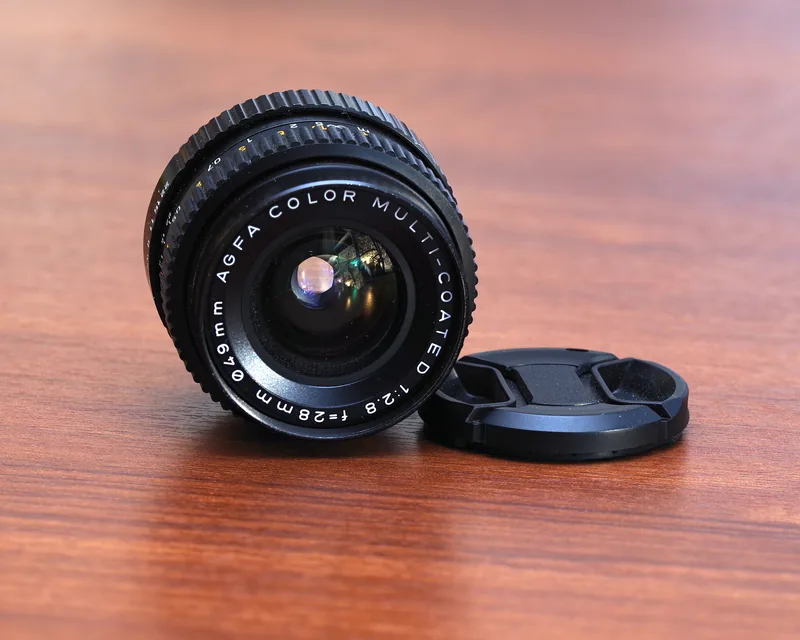 Blurry Photos Indoors? It's Not Your CameraBlurry photos indoors? It's not your camera.Read the guide →
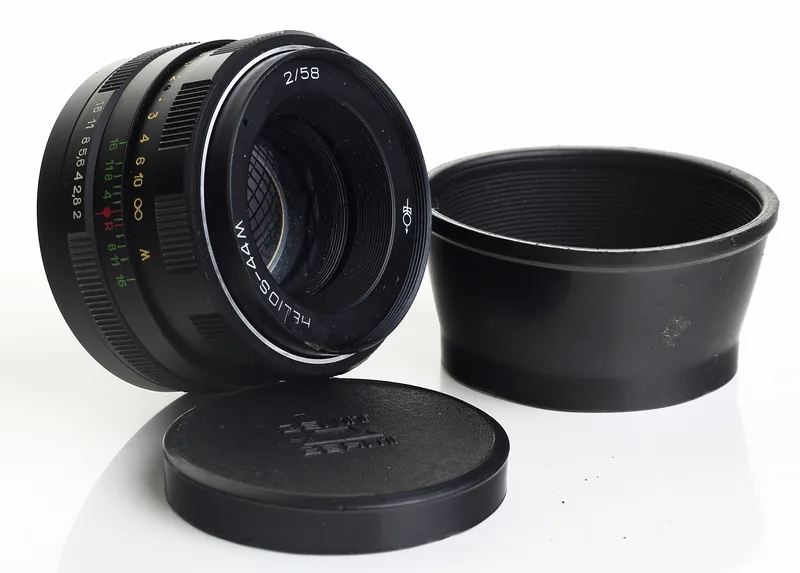 The 3-second test that spots a dodgy used lensBuying a used lens? Shine your phone torch through it. Spidery threads mean fungus. Walk away.…Read the guide →